Showing posts with label Black Coffin Treasure. Show all posts

US Navy's involvement in the Black Coffin Treasures

The Black Coffin Treasure is a term used to refer to a collection of valuable artifacts that were discovered in the Philippines in the early 1900s. 

The treasures were believed to have belonged to the Spanish colonial government, and were buried by the Spanish officials to protect them from being stolen by the advancing American forces during the Philippine-American War.

The US Navy became involved in the discovery of the Black Coffin Treasures when a group of divers, led by a US Navy officer named Lieutenant Commander W.H. Hill, stumbled upon the artifacts in 1915.

Hill had been tasked by the US Navy to conduct a survey of the waters off the coast of the Philippine Islands, and during one of his dives, he discovered a wooden box that contained a large amount of gold and silver coins, jewelry, and other valuable items.

The discovery of the Black Coffin Treasures caused a sensation in the US, and the US Navy became interested in acquiring the artifacts. 

The US government claimed that the treasures belonged to the Spanish colonial government, which had ceded the Philippines to the US as part of the Treaty of Paris in 1898

However, the Philippine government also laid claim to the treasures, arguing that they were part of the country's cultural heritage.

The controversy over the ownership of the Black Coffin Treasures led to a legal battle between the US and Philippine governments that lasted for several years. 

In the end, the US government was granted ownership of the treasures, which were brought to the US and put on display at the US Naval Academy Museum in Annapolis, Maryland.

Today, the Black Coffin Treasures remain a symbol of the complex and sometimes contentious relationship between the US and the Philippines. 

While the US Navy's involvement in the discovery of the treasures helped to cement the US's position as a colonial power in the Philippines, it also sparked a debate over the ownership and control of the country's cultural heritage.

The Controversy Surrounding the Black Coffin Treasures

A. Ownership of the treasures 

The ownership of the Black Coffin Treasures has been a subject of debate for years. 

The treasures were discovered by the US Navy during World War II in the Philippines and were later claimed by the government of the Philippines. 

However, there are those who argue that the treasures should be returned to their rightful owners, who were the individuals and families from whom they were taken by Japanese soldiers during their occupation of the Philippines.

B. Legal battle over the treasures 

The legal battle over the ownership of the Black Coffin Treasures has been ongoing for many years. 

In 1993, the Philippine government filed a lawsuit against the estate of former Philippine President Ferdinand Marcos, who was accused of stealing the treasures from their rightful owners. 

The lawsuit also included claims that the Marcos family had stolen billions of dollars from the Philippine government during their time in power. 

The case went on for several years, and in 2019, a US court awarded the Philippine government ownership of the treasures. 

However, the Marcos family has since appealed the decision, and the case is still ongoing.

C. The current state of the treasures 

Currently, the Black Coffin Treasures remain in the custody of the Philippine government. 

However, there are concerns over the state of the treasures, particularly regarding the presence of radioactive materials. 

In 2014, a nuclear power detector was used to detect radioactive material on one of the treasures, which raised concerns about the safety of those who come into contact with the treasures. 

As a result, the Philippine government has taken steps to ensure the safety of the treasures and those who handle them. 

This includes the use of protective gear and the establishment of a special unit to handle the treasures. 

Despite these efforts, there are still concerns over the long-term effects of exposure to the radioactive materials.

Therefore

The Black Coffin Treasures have a significant place in the history of the US Navy. 

The treasures were discovered in 1921 during a salvage operation in the Sulu Sea off the coast of Mindanao, Philippines. 

The US Navy's involvement in the discovery of the treasures was instrumental in bringing them to the attention of the world.

The Black Coffin Treasures are a collection of ancient artifacts that include gold and jewelry that are believed to have originated from the 10th to the 13th centuries. 

These treasures have great historical and cultural significance to the Philippines, as they represent a time when the country was at the center of trade in Southeast Asia.

The controversy surrounding the ownership of the Black Coffin Treasures has been ongoing for decades. 

The Philippine government claims that the treasures are part of the country's national patrimony and should be returned to their rightful owners. 

However, the US government has argued that the treasures were legally acquired and belong to the salvagers who found them.

Despite the legal battle over ownership, the Black Coffin Treasures remain an important piece of history that highlights the cultural and historical significance of the Philippines. 

The treasures have been exhibited in various museums around the world, and their value and importance continue to be recognized.

The discovery of the Black Coffin Treasures by the US Navy was a significant event in the history of both the US and the Philippines. 

The treasures represent a rich cultural and historical heritage of the Philippines that should be preserved and celebrated. 

The ongoing legal battle over ownership highlights the need for greater recognition of the cultural and historical value of artifacts like the Black Coffin Treasures. 

As we move forward, it is important that we continue to honor the legacy of the treasures and the role that the US Navy played in their discovery.

Historical Accounts of Treasure Hunting Expeditions Related to the Black Coffin Treasure

Treasure hunting has been a popular pastime in the Philippines for centuries, with many people searching for lost treasures from the country's rich history. 

Among the most famous treasures that have been sought after is the Black Coffin Treasure. 

This treasure is said to contain vast amounts of gold and other precious objects, and is believed to be hidden somewhere in the Philippines.

The Black Coffin Treasure has been the subject of numerous expeditions over the years, and has become a symbol of Philippine heritage and culture. 

In this blog post, we will explore the historical accounts of treasure hunting expeditions related to the Black Coffin Treasure, and delve into the legends and stories associated with this fascinating treasure.

Historical Background

The Philippines has a rich history that spans thousands of years, with influences from various cultures and civilizations. 

During the Spanish colonial period, which began in the 16th century and lasted until the 19th century, the Philippines became a major center of trade and commerce in Southeast Asia.

It was during this time that the Black Coffin Treasure came to be associated with the Philippines. 

According to legend, the treasure was hidden by the Japanese during World War II, and was later discovered by the American forces. 

The treasure was said to have been stored in a black coffin, hence the name Black Coffin Treasure.

The origins of the Black Coffin Treasure are shrouded in mystery, with various stories and legends surrounding its discovery and contents. 

Some stories claim that the treasure was stolen from other countries and brought to the Philippines for safekeeping, while others say that it was hidden by the Japanese during their occupation of the Philippines.

Treasure Hunting Expeditions in the Philippines

Treasure hunting has been a popular activity in the Philippines for centuries, with many people searching for lost treasures from the country's rich history. 

Some of the most famous expeditions include:

1. The Yamashita Treasure Hunt

The Yamashita Treasure Hunt is one of the most famous treasure hunts in Philippine history. 

It is named after General Tomoyuki Yamashita, a Japanese army officer who was known for his successful military campaigns in Southeast Asia during World War II. 

According to legend, Yamashita hid vast amounts of gold and other treasures in the Philippines before the Japanese surrendered to the Allied forces.

Since the end of World War II, numerous expeditions have been launched to find the Yamashita Treasure. 

Some of these expeditions have been successful, with treasures worth millions of dollars being discovered.

2. The Lingsat Treasure Hunt

The Lingsat Treasure Hunt is another famous treasure hunt in the Philippines. It is named after the Lingsat massacre, which occurred in 1989 when a powerful earthquake struck the city of Baguio.

 According to legend, a group of soldiers stole a large amount of gold from a bank in Baguio during the chaos that ensued after the earthquake.

Since then, numerous treasure hunters have attempted to locate the stolen gold. Some have claimed to have found the treasure, but none have been able to provide any solid evidence.

3. The Balangiga Treasure Hunt

The Balangiga Treasure Hunt is named after the town of Balangiga in Eastern Samar

According to legend, a group of American soldiers stole a large amount of gold from the town during the Philippine-American War. The treasure is said to be buried somewhere in the town.

Over the years, many treasure hunters have attempted to locate the Balangiga Treasure, but none have been successful.

The Black Coffin Treasure

The Black Coffin Treasure is one of the most famous treasures that have been sought after in the Philippines. 

According to legend, the treasure was hidden by the Japanese during World War II and was later discovered by the American forces. 

The treasure is said to contain vast amounts of gold and other precious objects, and is believed to be stored in a black coffin, hence the name Black Coffin Treasure.

The exact contents of the Black Coffin Treasure remain unknown, but some stories claim that it contains artifacts and treasures from various countries, including China, Korea, and the Philippines

Others claim that the treasure was stolen from various sources and brought to the Philippines for safekeeping during World War II.

The legend of the Black Coffin Treasure has captured the imagination of many treasure hunters over the years. Numerous expeditions have been launched to find the treasure, but none have been successful.

Some treasure hunters claim to have found clues that lead to the treasure, while others believe that it is hidden in secret locations that have not been explored.

Historical Accounts of the Black Coffin Treasure Hunt

Despite numerous expeditions over the years, the Black Coffin Treasure remains elusive. 

However, there have been several historical accounts of treasure hunting expeditions related to the Black Coffin Treasure. 

Here are some of the most famous expeditions:

1. The Roxas Expedition

In the 1970s, former Philippine President Ferdinand Marcos launched an expedition to find the Black Coffin Treasure. 

The expedition was led by his friend, Rogelio Roxas, who claimed to have found a treasure map that led to the treasure.

The Roxas Expedition was plagued with difficulties from the start. Roxas claimed that he was harassed and threatened by the Philippine government and Marcos supporters. 

He also claimed that the treasure map was stolen from him, and that he was arrested and imprisoned for several years.

Despite these setbacks, the Roxas Expedition sparked renewed interest in the Black Coffin Treasure, and many treasure hunters continued to search for the treasure over the years.

2. The Treasure of the Four Crowns

In the 1980s, an expedition was launched to find the Treasure of the Four Crowns, which was believed to be linked to the Black Coffin Treasure. 

The treasure was said to contain four crowns made of solid gold and encrusted with precious jewels.

The expedition was led by a group of treasure hunters, including a Philippine politician and a retired US Marine. 

The group claimed to have found the treasure, but they were soon embroiled in a legal battle over the ownership of the treasure.

The Treasure of the Four Crowns remains one of the most controversial and disputed treasures in Philippine history. Many treasure hunters still believe that it is linked to the Black Coffin Treasure.

3. The Taylor Expedition

In the 1990s, a group of treasure hunters led by Thomas Taylor launched an expedition to find the Black Coffin Treasure

The group claimed to have found several clues that led them to believe that the treasure was hidden in a cave system in the Philippines.

The Taylor Expedition was featured in several documentaries and television shows, and it sparked renewed interest in the Black Coffin Treasure. 

However, the group was never able to find the treasure, and they eventually disbanded.

Final Words

The Black Coffin Treasure remains one of the most elusive treasures in Philippine history. Despite numerous expeditions over the years, the treasure remains hidden, and its exact contents are unknown. 

However, the legend of the Black Coffin Treasure has captured the imagination of many treasure hunters and has become a symbol of Philippine heritage and culture.

The historical accounts of treasure hunting expeditions related to the Black Coffin Treasure offer a glimpse into the challenges and obstacles that treasure hunters face. 

These expeditions also highlight the importance of preserving and protecting cultural heritage, and the need to balance the pursuit of treasures with respect for history and culture.

Black Coffin Treasure - What it is and Where it came from

The Black Coffin Treasure is one of the most famous legends in the Philippines. It is a story about a treasure trove that was hidden in the mountains of the Philippines during the Spanish colonial period.

The treasure is said to contain vast amounts of gold, silver, and other precious items. 

The legend of the Black Coffin Treasure has captured the imagination of many treasure hunters, historians, and adventurers over the years. 

In this post, we will explore the history of the Black Coffin Treasure, where the legend came from, and why it is called that way.

What is the Black Coffin Treasure?

The Black Coffin Treasure is a legendary treasure trove that is said to be hidden somewhere in the mountains of the Philippines. 

The treasure is rumored to contain vast amounts of gold, silver, and other precious items that were accumulated during the Spanish colonial period. 

The treasure has been estimated to be worth billions of dollars, making it one of the most valuable treasures in the world.

The legend of the Black Coffin Treasure has been around for hundreds of years and has been passed down through generations of Filipinos. 

The treasure is said to have been hidden by the Spanish during their occupation of the Philippines, possibly to prevent it from falling into the hands of the revolutionaries who were fighting for independence from Spain.

The contents of the treasure are said to include gold bars, precious jewels, religious artifacts, and other valuable items. 

Some versions of the legend suggest that the treasure was hidden in a large black coffin, hence the name "Black Coffin Treasure." 

Other versions suggest that the treasure was hidden in a series of caves or underground tunnels.

Where did the legend come from?

The origins of the Black Coffin Treasure legend are unclear, and there are many different versions of the story. 

Some versions of the legend suggest that the treasure was originally owned by the Sultan of Sulu, who was one of the most powerful rulers in the Philippines before the arrival of the Spanish. 

The legend goes that the Sultan of Sulu amassed a vast fortune over many years and hid it in the mountains to keep it safe from the Spanish invaders.

Other versions of the legend suggest that the treasure was hidden by the Spanish themselves. During the colonial period, the Spanish were known to be ruthless in their pursuit of wealth and power. 

They amassed a vast fortune through the exploitation of the local population and the plundering of natural resources. 

It is possible that the Spanish decided to hide some of their wealth in the mountains to prevent it from falling into the wrong hands.

Regardless of the origin of the legend, the Black Coffin Treasure has captured the imagination of many people over the years. 

Treasure hunters from all over the world have tried to locate the treasure, with varying degrees of success.

The Hunt for the Black Coffin Treasure

The hunt for the Black Coffin Treasure has been going on for many years, and there have been numerous expeditions to try and locate the treasure. 

Many of these expeditions have been led by treasure hunters who are looking for a quick fortune, while others have been led by historians and adventurers who are interested in the history and culture of the Philippines.

One of the most famous expeditions to search for the Black Coffin Treasure was led by a man named Rogelio Roxas in the 1970s

Roxas claimed that he had discovered the location of the treasure and had even found a large black coffin that was believed to contain the treasure. 

However, Roxas's expedition was interrupted by the Philippine government, who seized the coffin and all of its contents, claiming that they belonged to the state.

There have been many other expeditions to search for the Black Coffin Treasure over the years, but none have been successful in locating the treasure. 

Some treasure hunters have reported finding clues and artifacts that they believe are linked to the treasure, such as ancient maps, old coins, and pieces of pottery

However, no one has been able to find the actual location of the treasure itself.

One of the main challenges that treasure hunters face in their quest for the Black Coffin Treasure is the rugged terrain of the Philippine mountains. 

The treasure is said to be hidden deep in the mountains, in a location that is only accessible by foot or by mule. 

The terrain is treacherous, with steep cliffs, dense forests, and raging rivers, making it difficult to navigate.

Another challenge that treasure hunters face is the lack of reliable information about the location of the treasure. 

The legend of the Black Coffin Treasure has been passed down through generations of Filipinos, and many different versions of the story exist. 

Some versions of the story suggest that the treasure is hidden in the Cordillera mountain range in northern Luzon, while others suggest that it is hidden in the Sierra Madre mountain range on the eastern coast of Luzon.

Despite the challenges, the hunt for the Black Coffin Treasure continues to this day. There are still many people who believe that the treasure is out there somewhere, waiting to be found.

Why is it called the Black Coffin Treasure?

The Black Coffin Treasure is so named because some versions of the legend suggest that the treasure was hidden in a large black coffin. 

The coffin is said to be made of solid gold and is adorned with precious jewels and intricate carvings. The treasure is believed to be buried alongside the coffin, making it difficult to access without disturbing the coffin itself.

The significance of the black coffin in the legend is unclear, but it is believed to have some religious or cultural significance. 

The Spanish were known for their Catholic faith, and it is possible that the coffin was used as a symbol of their religious beliefs. 

It is also possible that the coffin was simply used as a means of storing and transporting the treasure, as it would have been more difficult to carry large amounts of gold and silver on foot.

Final words

The legend of the Black Coffin Treasure is one of the most enduring and fascinating stories in the Philippines. 

The legend has captured the imagination of many people over the years, and the hunt for the treasure continues to this day. 

Despite the numerous expeditions and attempts to locate the treasure, it remains hidden somewhere in the mountains, waiting to be found.

While the true origins of the legend are unclear, it has become an important part of Filipino culture and history. 

The legend serves as a reminder of the country's colonial past and the struggles of its people to gain independence and freedom. 

Whether or not the treasure is ever found, the legend of the Black Coffin Treasure will continue to be passed down from generation to generation, inspiring adventurers and treasure hunters for years to come.

Fake Antique Black Coffin Treasures

Black coffin treasures refer to a particular type of antique Chinese furniture that originated in the Ming and Qing dynasties. 

These pieces are known for their intricate craftsmanship, ornate designs, and use of materials such as ebony, ivory, and mother-of-pearl. 

Due to their rarity and historical significance, black coffin treasures are highly sought after by collectors and can fetch prices in the millions of dollars. 

However, with the rise of the antiques market, the issue of fake black coffin treasures has become a growing problem, leading to concerns about the authenticity of these pieces.

The Problem of Fake Black Coffin Treasures

Fake black coffin treasures are created by artisans who aim to replicate the style and design of authentic black coffin treasures. 

In many cases, these pieces are made using modern materials, such as synthetic ivory, and are aged artificially to give the appearance of age

The rise of the internet and the globalization of the antiques market have made it easier for these fake pieces to be sold to unsuspecting buyers, often for large sums of money.

One of the biggest issues with fake black coffin treasures is that they can be difficult to identify. These pieces are often crafted to the highest standards of authenticity, making it difficult for even experts to determine their legitimacy. 

Moreover, many collectors are willing to pay top dollar for these pieces, creating a lucrative market for forgers and counterfeiters.

Identifying Authentic Black Coffin Treasures

Despite the challenges in identifying authentic black coffin treasures, there are certain characteristics that collectors can look for to determine whether a piece is genuine. 

One of the most important factors is the use of high-quality materials such as ebony, ivory, and mother-of-pearl. Authentic black coffin treasures are typically made from these materials, which are highly valued for their beauty and durability.

In addition to materials, collectors can also examine the design and construction of a piece to determine its authenticity. 

Authentic black coffin treasures are often decorated with intricate carvings and inlaid designs, and feature a distinct shape that resembles a coffin. 

Collectors can also look for signs of age, such as patina or wear and tear, which can indicate that a piece is genuine.

The Consequences of Purchasing Fake Black Coffin Treasures

The consequences of purchasing fake black coffin treasures can be severe, both financially and legally. For one, collectors who purchase these pieces risk losing a significant amount of money if they are later found to be fakes. 

Moreover, buyers who knowingly purchase counterfeit black coffin treasures can face legal consequences, including fines and criminal charges.

Another concern with the rise of fake black coffin treasures is the impact it has on the broader antiques market. 

The proliferation of fake pieces can undermine the trust and credibility of the market, leading to a decline in the value of authentic pieces. 

Furthermore, the creation and sale of counterfeit black coffin treasures can support an illicit market for fakes, which can have broader social and economic consequences.

Final words

The issue of fake black coffin treasures is a growing concern in the world of antiques and art. 

While collectors and experts continue to work to identify and authenticate genuine pieces, the proliferation of counterfeit items remains a significant challenge. 

As such, it is important for buyers to be diligent in their purchasing decisions, and to work with reputable dealers and experts to ensure that they are investing in genuine black coffin treasures. 

By doing so, collectors can help to preserve the historical and cultural significance of these rare and valuable pieces, while also supporting the integrity of the broader antiques market.

Black Coffin Treasure Boxes Found in Mindanao

There are rumors around the internet that the location of the black coffin treasure boxes has been finally found somewhere in the coastal part of Mindanao

Of course, the source won't state the exact location because many treasure hunters or perhaps even the US or Philippine military will race into the site.

The one who claimed to have found the black coffins is a fisherman. According to him, he first noticed large chains underwater. 


When he came close to investigate, the fisherman noticed black objects where the chains were tied. He also noticed that the black objects consists of serial numbers on them.

With the fisherman's curiosity, he attempted to open the boxes to check what was inside them. He tried everything using every possible tool that he had but to no avail, the fisherman couldn't open any of the boxes.

There was another claim. Another fisherman from Mindanao who had a close encounter with the black coffin treasures

His experience was quite similar to the other fisherman above. When he dived underwater, he saw the black coffins tied with large chains around them.

According to this second fisherman, the black objects consists of serial numbers and there are about 30 of them. 

At first, he thought that these boxes were placed on a huge rock. But later on, he discovered that it wasn't a rock but a sunken ship.

The most shocking experience that made this fisherman swore not to get close and make contact into those black objects ever again was when he attempted to touch them using his fishing gear. 

The fisherman described the feeling that he felt electrocuted that he immediately ascended back to his boat.

Lastly is this most interesting claim. The black coffin had already been recovered by some high-ranking official of a certain military organization in Mindanao. 

Although, he only recovered one black box and according to the source, the box consists of several holes at its side.

This person is said to have taken the black box into some part of Davao province and he is selling at an expensive price of 60 million pesos or about 1.3 million dollars.

Black Coffin Found in Mindanao

Moreover, it seems that the black coffin treasure is indeed hidden somewhere in the coastal area of Mindanao.

Common FAQs About the Black Coffin Treasure

Many treasure hunters are actually questioning the existence of the black coffin treasure that was dropped by the US Navy somewhere in the Philippine Sea. 

Some says that it's a hoax or fake where there is no such thing while others claim that they have found it.


Here are the following commonly asked questions about the black coffin treasure in the Philippines:

1. What is contained in those black coffin treasures?

Nobody can really confirm the contents of the black coffin treasures. But rumors say that, they contain highly dangerous radioactive element called, "Plutonium"

This is a type of element used in the past second world war in creating the first Atomic Bomb.

2. Are plutonium expensive?

Yes, plutonium is no doubt quite expensive because it is a rare form of element. 

In fact, there are only few national suppliers and there are extreme strict limitations to those who can buy it and the amount that the buyers are allowed to purchase. 

Due to this reason, dropping those black coffins into the Philippine sea is being questioned by many which seems to prove that the whole idea was a hoax.

3. Why did the US Navy dropped it in the Philippine sea?

According to some rumors, the US Navy ships carrying those black coffin were on their way to deliver the goods but as soon as they heard that the war was finally over, they immediately dropped the boxes since it no longer serves them the intended purpose. 

Other than that, it may also be heavy for their ship that it travels at a slow speed. 

But upon hearing the news that the war has ended, they maybe in a hurry to get back home into their families so they had decided to unload the boxes to speed up their ship.

4. Can a plutonium stop a boat's engine?

According to some fishermen who claimed to have discovered the exact location of the black coffins, every time that they passes their engine-powered boat, it kills off their engine. 

They will only be able to start the engine back when they made it a far away from the site.

5. What's the reward for those who can find and recover the black coffin treasures?

According to the US Military, they are not giving any reward to anyone who can locate or recover the black coffins for them. 

But if sold into the black market, it could become quite a huge fortune for the finder.

Black Coffins Are Nuclear Power Detectors

If most individuals' own personal opinion about the contents of the black coffin treasure is plutonium, we actually came across on our research here on the internet that one person claimed that the contents of those boxes are "nuclear power detectors".

These nuclear power detectors were actually devices that were intended to detect any vessel or submarine that passes over them. 

This is probably the reason why some fisher often felt their small boat engine malfunctioned while cruising over the dropped zone of those black boxes. 

Thus, the US Navy didn't just dropped their black coffin in the Philippine seas but on other parts of the world as well. 

They had strategically dropped them off on places like bays, straits and other common pathways of vessels and submarines.

Vessel

According to some sources from the US Embassy, those black coffins were dropped somewhere in the early 50's up to the late 60's

These boxes does not contain plutonium but they are machines designed to capture underwater sounds particularly generated by vessel or submarine engines. 

Once these machine-boxes detected such mechanical sounds, the machine will immediately transmit the data gathered in a designated headquarters for analysis. 

Through these machines, the US Intelligence Agency will be able to determine the type of vessel or submarine, possible country of origin and etc...

Unfortunately, rumors came out that these black coffins contains precious plutonium. 

Some speculations claims that commodity brokers simply made this part of the story as a form of enticing curious financiers to fund their project. 

And at the end, the commodity brokers will be the one who makes money out from their financier victims.

With the growing interest of recovering the black coffin treasures, many of these boxes has already been recovered on various parts of the world particularly by treasure hunters. 

As a result, the US Intelligence community had lost many signals and had decided to abandon utilizing these machines. 

Thank goodness that through the fast-paced improvement of our technology, spy satellites has been invented as the perfect replacement.

Since the black coffins (according to the US Embassy) doesn't really contain plutonium, this is probably the reason why the US Military claims that they are not giving any rewards to those who can find and locate these black coffin boxes for them. 

Or, it is probably a cover up not to boosts the interest of all underwater explorer to hunt and recover these objects.

Black Coffin Treasure of the Philippines

Of all the treasures hidden inside coffins around the world, the "black coffin treasure" of the Philippines is the most controversial of them all. 

It's because a number of sea or underwater explorers claims that they have found them. And in exchange, they are expecting for a huge sum of reward.

According to some sources, the black coffin treasures are made out of pure metallic boxes. And each of the boxes, there's a unique serial numbers that are marked on them.

As stated above, many individuals claims that they have found the location of the black coffins. However, the majority of those boxes are probably fakes

The only possible way to determine the authenticity of the boxes is to acquire their serial numbers. If it matches the record held by the US Navy then they are the real black coffin treasure.

Black Coffin Treasure

US Navy and the Black Coffin Treasures


The one responsible for hiding the black coffin treasure were the US Navy way back in the past World War 2. They dropped these boxes somewhere in the Philippines seas. 

Unfortunately, the US Military historical records doesn't know the exact locations of where these items were dropped.

For those who are claiming that they have found these black coffins and expecting money as a finder's fee, the US Military have released a statement that they are not giving any rewards out there who finds them. 

This means that they do not have enough interest in acquiring them back.

What's Inside the Black Coffin Treasure?


The black coffin doesn't actually contain treasures or any valuable loot in the past WW2. It is said that it contains a highly dangerous element called, "Plutonium".

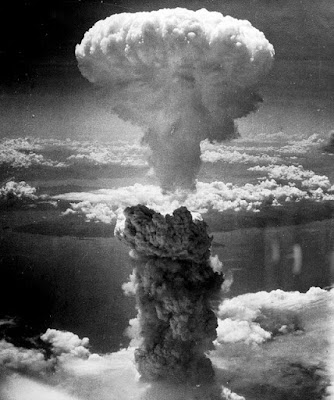
In WW2, plutonium were used in nuclear weapons (Atomic Bomb). These weapons were actually the once used by the Americans that finally ended the second world war.

Today, plutonium are being used on nuclear reactors which produces an alternative source of energy.

Going back to the second world war particularly at the time when the war finally came to an end, the US Military had more than enough plutonium that remained on their supply which were of no longer use to them. 

So they placed them inside tightly sealed boxes which is now known as the black coffins.

And for some unknown reason, the US Navy dropped them off somewhere in the Philippine sea and never kept a record on their exact locations.

The Black Coffins are Highly Dangerous


Since the black coffin boxes contains plutonium, anyone who are exposed into this type of highly toxic silvery radioactive metallic element will suffer a slow death. 

They will experience an unknown type of illness then sooner or later, they will most likely die. It's like poison.

If it happens that you found the black coffins underwater, it is not advisable that you open or puncture any part of the boxes. 

This will cause the element to leak-out which is impossible for you to escape away from being contaminated. Only underwater robotic machines can recover these boxes out from the surface.

However, if you are just an average or ordinary Joe then all what you can do is to take the serial number of the boxes. 

You have to stencil the coffins underwater and perhaps bring it to any US Military organization that can help you out.

What if the Black Coffin Treasures Have Fallen into the Wrong Hands?


Already mentioned above, plutonium can be used for nuclear weapons. And today, there's a growing threat of terrorist worldwide. 

What if these bad guys managed to grab these black coffins into their possession and turned it into one devastating nuclear weapon?

Nuclear Bomb

At some point, these black coffin treasures needs to be recovered before they could fall into the wrong hands.